More than half of first-time international travelers say visa paperwork is the most stressful part of planning a trip, according to global travel surveys. Forms, confirmations, and timelines pile up fast. What should feel like the start of an adventure often feels like a chore list with high stakes.
Digital travel platforms have already reduced friction by automating documents like flight placeholders and hotel bookings. Services inspired by platforms such as proof of accommodation for visa tools show how structured systems can turn confusion into clarity. Now imagine taking that structure one step further and layering it with game design. The result is travel prep that feels less like admin work and more like progress.
Why gamification works on serious tasks
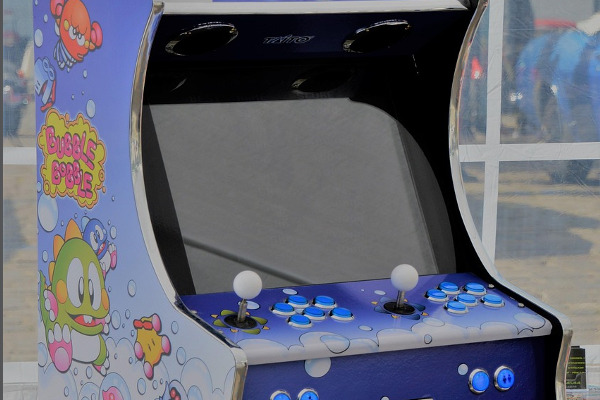
Games succeed because they break complex goals into small, visible wins. Players know what to do next, why it matters, and how close they are to finishing. Visa preparation follows the same pattern. Each document is a quest. Each submission is a checkpoint. Each approval is a level cleared.
Psychologists have long noted that progress indicators and rewards increase motivation. Teresa Amabile, known for her research on motivation at Harvard, highlighted how small achievements fuel engagement. Applying that thinking to travel documentation makes sense. When users see steady progress, anxiety drops and focus improves.
Turning paperwork into playable steps
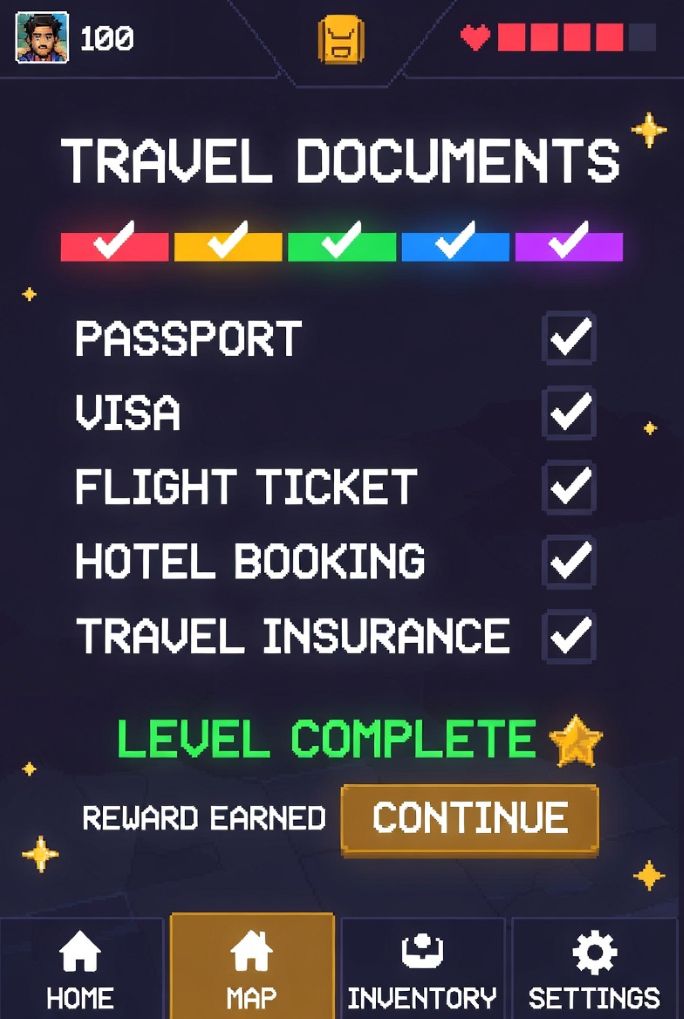
A gamified travel prep system would start with a simple dashboard. Instead of a blank checklist, users see a journey map. Steps appear as tiles, each clearly labeled and time-bound. Upload a passport scan. Generate a legit dummy ticket. Confirm lodging details. Each completed action lights up.
Badges add another layer. A “Ready to Apply” badge could unlock once core documents are complete. A “Deadline Master” badge might reward early completion. These elements do not trivialize the process. They guide attention and reduce overwhelm.
UX lessons borrowed from games
Good games teach players without long instructions. They rely on cues, feedback, and flow. The same principles improve visa tools. Clear icons beat dense text. Progress bars beat silent waiting. Friendly prompts beat error-heavy forms.
Game designers talk about flow, a term popularized by psychologist Mihaly Csikszentmihalyi. Flow happens when challenges match skill level. Visa workflows benefit from this balance. Too much information at once causes drop-off. Step-by-step progression keeps users moving.
Social proof and shared progress
“Many games use community features to keep players engaged. Travel tools can do something similar, without sharing sensitive data. Anonymous stats like “80 percent of users finish this step in under five minutes” reassure users they are on track.”
Understanding how video games shape online reputation helps designers think about trust and visibility in digital systems. When users see others succeed, the process feels manageable. Adding light social signals makes the experience feel supported rather than isolating.
Some platforms already hint at this approach by showing completion times or common paths. When users see others succeed, the process feels manageable. Adding light social signals makes the experience feel supported rather than isolating.
Where travel tech is heading
As digital travel tools evolve, engagement will matter as much as accuracy. Automation alone is no longer enough. Users expect experiences that respect their time and emotions. Gamification offers a way to meet that expectation without compromising legitimacy.
Future systems could adapt difficulty based on user profile. A frequent traveler might skip tutorials. A first-time applicant might receive extra guidance. Even serious steps like generating proof of accommodation for visa purposes can feel approachable when presented clearly and interactively.
From stress to satisfaction
Travel planning sets the emotional tone for a trip. When preparation feels chaotic, excitement fades. When preparation feels structured and rewarding, anticipation grows. Turning visa documentation into a game-like journey reframes the task.
Gamified design does not make documents less real. It makes progress more visible. By treating each requirement as a goal instead of a burden, travelers move forward with confidence. That shift may be the most valuable upgrade travel technology can offer.