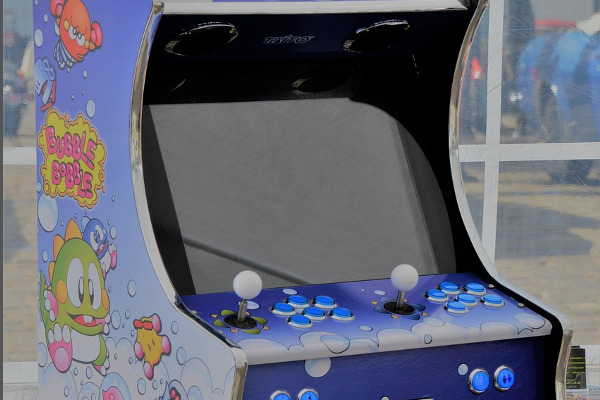
 Video games have become one of the most popular forms of entertainment worldwide. What started as simple arcade games has developed into a digital experience filled with detailed environments, exciting challenges, and opportunities to connect with other players. Today, gaming is about more than completing missions or earning points. It allows people to explore new worlds, create their own adventures, and enjoy experiences that feel increasingly realistic.
As gaming technology continues to improve, players can discover immersive gaming experiences across computers, consoles, and mobile devices. From exploring fantasy landscapes to surviving in open-world environments, modern video games offer countless ways to enjoy digital entertainment.
Immersive gaming focuses on making players feel connected to the virtual environment. Realistic graphics, interactive gameplay, engaging stories, and multiplayer features all contribute to this experience. Whether someone enjoys competitive matches or peaceful exploration, there is a gaming experience that matches their interests.
How Immersive Gaming Is Changing Video Games
Immersive gaming has changed how people interact with video games. Instead of simply watching events unfold on a screen, players can actively influence the world around them. Their decisions, movements, and actions can affect the outcome of their adventures.
One of the biggest improvements comes from graphics technology. Modern gaming systems can display realistic lighting, detailed landscapes, and natural character movements. These features help virtual environments feel more believable. Players can explore busy cities, mysterious forests, and futuristic locations that resemble places from movies.
Sound also plays an important role in creating immersion. Background music, environmental sounds, and character dialogue help establish the atmosphere. For example, hearing footsteps in an abandoned building can create suspense, while peaceful music can make exploration more relaxing.
Another important development is interactive storytelling. Many modern games allow players to make decisions that influence characters and events. Instead of following a fixed storyline, players can experience different outcomes based on their choices. This makes each gaming session feel more personal.
Virtual reality has introduced another way to experience video games. With a compatible headset, players can look around digital environments and interact with virtual objects using motion controls. This creates a stronger sense of presence compared with traditional screen-based gaming.
However, immersive gaming does not always require expensive equipment. Many computer and mobile games provide engaging experiences through creative gameplay and well-designed environments.
Multiplayer technology has also helped gaming become more interactive. Players can communicate, cooperate, and compete with others from different locations. Online communities make it possible to build friendships, share strategies, and participate in activities together.
These developments show how gaming continues to move beyond traditional entertainment. Modern video games combine technology, creativity, and social interaction to create experiences that can appeal to different types of players.
Discover Immersive Gaming Through Different Video Game Experiences
There are many ways to discover immersive gaming, depending on personal interests and preferred gameplay styles. Some players enjoy action-packed adventures, while others prefer building, exploring, or solving problems.
Open-world games are among the most popular choices for immersive entertainment. These games allow players to travel through large environments without following a strictly linear path. They can explore hidden locations, complete optional missions, and discover activities beyond the main storyline.
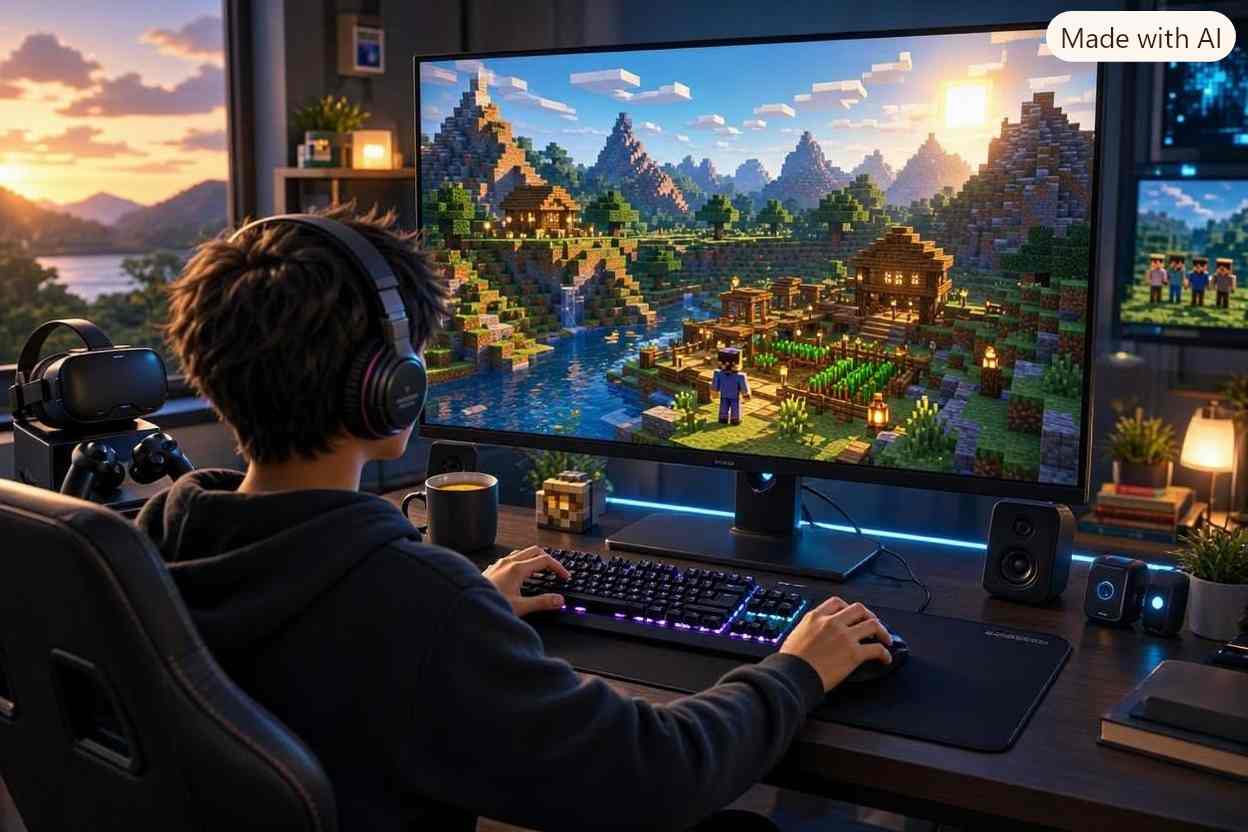
For example, Minecraft offers an open environment where players can gather resources, build structures, and explore different landscapes. Its survival mode introduces challenges such as finding food, crafting tools, and protecting shelters from hostile creatures.
Minecraft also demonstrates how multiplayer gaming can improve immersion. Players can join online communities and explore shared environments. Those interested in cooperative adventures can discover immersive gaming through Minecraft survival servers, where participants build settlements, trade resources, and work together on projects.
Different servers introduce unique gameplay features. Some focus on traditional survival, while others include custom challenges, community events, and special environments. This variety gives players opportunities to experience familiar games in new ways.
Role-playing games provide another form of immersion. Titles such as The Elder Scrolls V: Skyrim allow players to develop characters, explore fantasy locations, and complete quests. Character progression and storytelling help players feel connected to their adventures.
Simulation games offer a different experience. Instead of focusing mainly on combat, these games recreate activities such as managing cities, operating vehicles, or running businesses. Players can experiment with decisions and observe how their choices affect the simulated environment.
Adventure and exploration games are also worth considering. They encourage curiosity by rewarding players for discovering hidden areas, solving puzzles, and interacting with their surroundings.
For those who prefer social experiences, multiplayer games provide opportunities to collaborate with friends or meet new players. Cooperative missions encourage communication and teamwork, while competitive modes challenge players to improve their skills.
Choosing the right gaming experience depends on what makes entertainment enjoyable for each individual. Exploring different genres can help players discover new interests and find virtual worlds they want to revisit.
The Future of Immersive Gaming and Virtual Entertainment
The future of video games will likely bring even more opportunities for interactive entertainment. Developers continue to explore technologies that can improve graphics, gameplay, and the way players interact with virtual environments.
Artificial intelligence is one area receiving growing attention. AI can support more responsive computer-controlled characters and help developers create varied gameplay situations. As these systems improve, virtual worlds may become more dynamic and react more naturally to player decisions.
Cloud gaming is another development that could make immersive experiences more accessible. Instead of requiring every game to run directly on powerful local hardware, cloud gaming services process games on remote servers and stream the results to supported devices. Performance still depends on internet quality, service availability, and connection stability.
Cross-platform gaming is also helping connect players. Supported games allow people using different devices to participate in the same multiplayer environment. This can make gaming communities more inclusive and reduce the barriers between console, computer, and mobile users.
User-generated content will remain important as well. Games that support custom maps, modifications, and community-created activities give players more control over their entertainment. Minecraft is a strong example because its creative tools and server communities allow players to develop experiences beyond the standard game.
As these technologies advance, responsible gaming habits will remain essential. Taking regular breaks, managing screen time, and maintaining a balance between digital entertainment and everyday responsibilities can help players enjoy gaming over the long term.
Online safety also matters, particularly in multiplayer environments. Players should protect their account information, use appropriate privacy settings, and remain cautious when interacting with unfamiliar users.
Immersive gaming continues to expand what video games can offer. Detailed virtual worlds, creative freedom, interactive stories, and online communities provide experiences that go beyond traditional gameplay.
Whether someone wants to explore an unfamiliar landscape, build a virtual home, or complete missions with friends, modern gaming offers plenty of possibilities. By trying different genres and discovering new gaming communities, players can find adventures that match their interests.
Ultimately, the appeal of immersive gaming comes from the freedom to participate rather than simply observe. Every new world offers something to discover, and every gaming session creates an opportunity for a different experience.